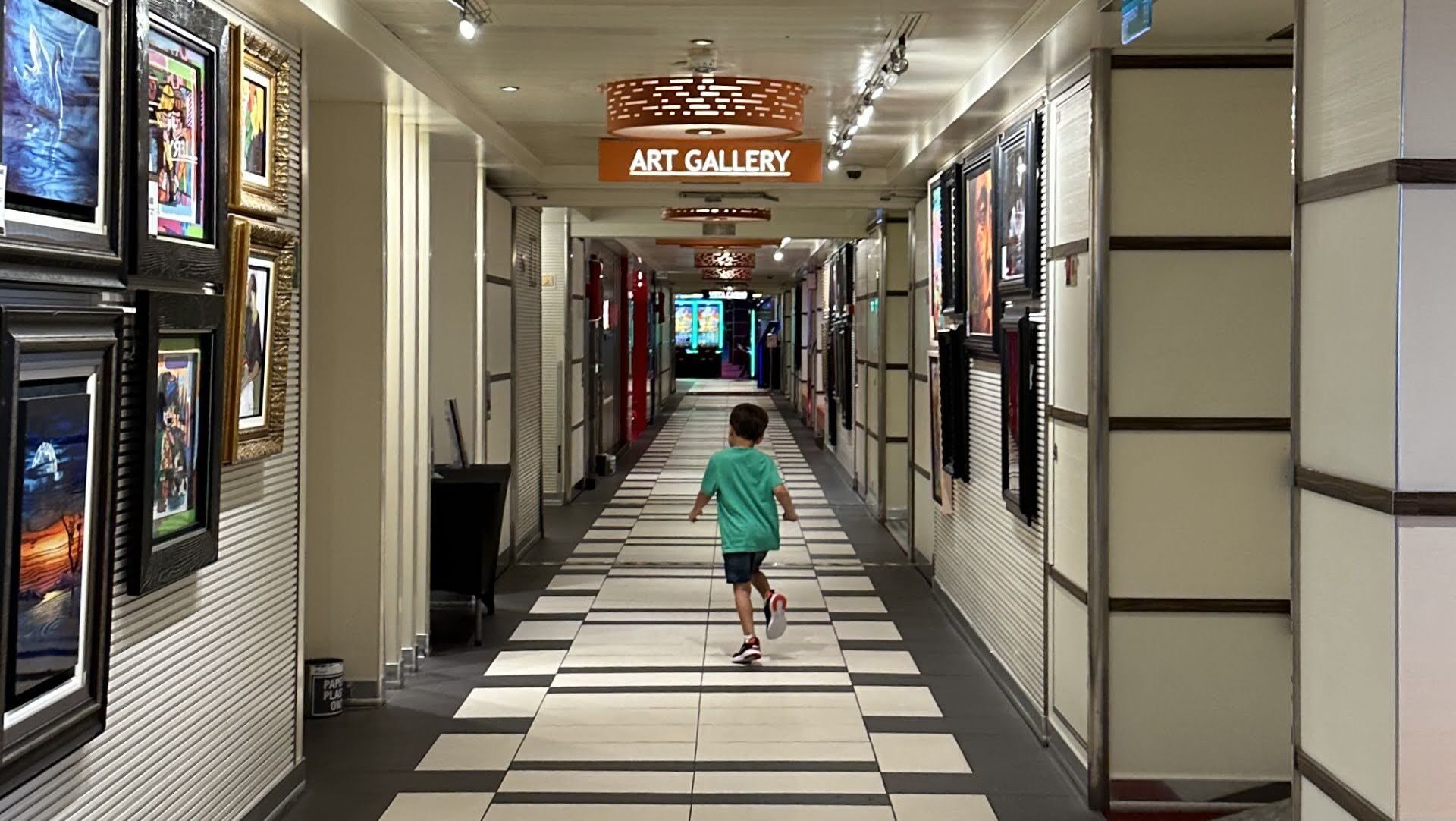
The 10 things I always do on cruises to help my autistic son to prosper
What I like most about traveling with my children is the chance to see the world through their goals. So when I had the opportunity to take my four -year -old autism son with autism on a carnival cruise Vista towards the South Caribbean, I knew that it would offer a special window on his soul of sensory research. I also knew that it would not be easy, it doesn’t matter how much we prepared in advance.
Cruise with autism – like any form of travel – is the result of its challenges. The effects of the agitation of normal routines, the treatment of new environments and other factors are still nuanced by the place where your child is on the spectrum. Note that most traditional lines support cruises for autistic children, thanks to accommodation such as special training for passenger oriented crew, priority boarding options and sensory programming.
Save: Children browse these 8 family cruise lines free of charge
Carnival also has a partnership with Kulturecity, a non -profit organization “inclusive sensory” which lends sensory bags with noise -animated headphones, stroboscopic glasses to help light sensitivity, agitate toys and other complementary attracts in the front row. (Just be sure to return the bag at the end of your cruise, to avoid costs of $ 50.)

In addition, Carnival provides free Wi-Fi to autistic families. All you have to do is contact customer access before navigation and provide a copy of your child’s diagnostic documents. For families who need more support, carnival sometimes hosts autism on charter cruises on the seas.
Whatever cruise you choose, preparation in advance is the key to reducing stress and enjoying the experience. The following list is a mixture of personal measures that I took on this sail, as well as general advice when planning cruises for autistic children.
1. Take advantage of the priority boarding option.
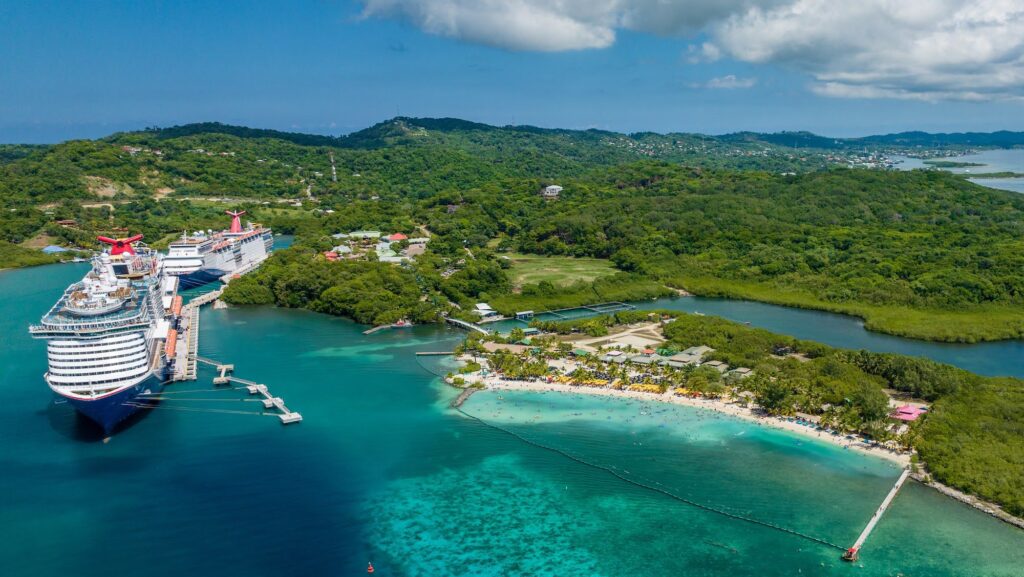
Long lines and crowds can be overwhelming for autistic children. You can mitigate this with a priority pension. An advantage often reserved for cruisers with a loyalty status or those who stay in designated consequences, priority boarding is offered by certain lines as an additional package. With Carnival’s Fast to the Fun (FTTF), for example, families pay a price set by cabin and take advantage of a slew of advantages, including priority recording, deposit of early bags and the delivery of priority baggage.
2. Alert your range of food sensitivities in advance.
Is your child sensitive to certain food textures, sides (sauces) or ingredients? Inform your cruise line in advance. You can generally alert special services from any food restriction or need for weeks before boarding day. Once on board, touch the base with the master server or head to make sure your preferences are noted. You can also ask the day before to take meals specially prepared and adapted to the needs of your child.
3. Take familiar comfort to help your child adapt to sleeping in a new place.
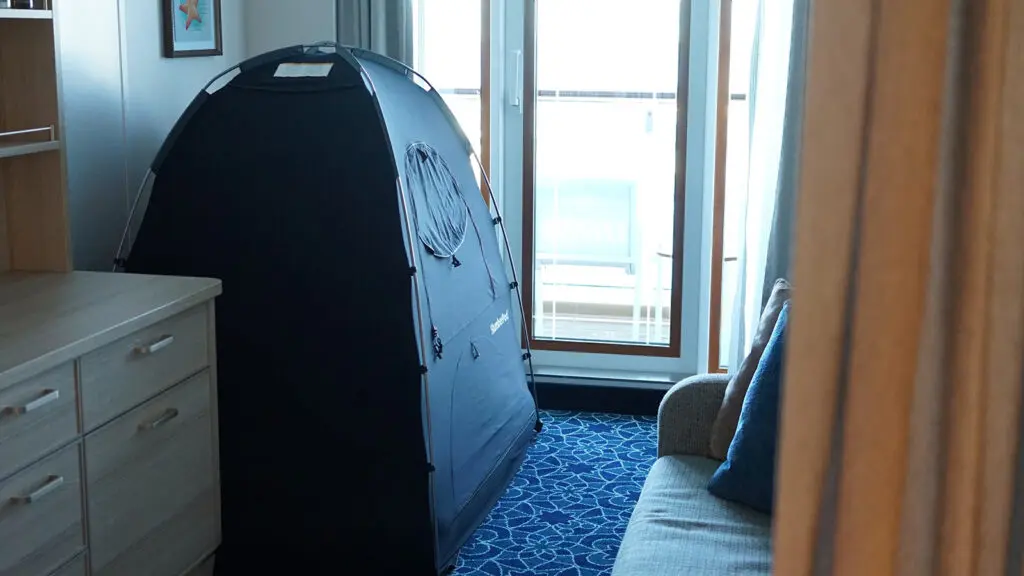
To assemble everyone for relaxing sleep nights, I try to imitate what I can from the sleep routine at home of my son each time we travel. This implies bringing our bed for the toddler Slumperpod to meet its sensory needs, its pajamas and its favorite bedtime toy, and a white noise machine with a night light that I can use to check it easily all night. If you are able, you can also try to prepare your child a few days before leaving, speaking of the cabin, you will sleep, and even by involving them in the packaging process.
Sweet dreams: I took the bed of Tourte Slemberpod on a cruise, and now it’s my whole personality
4. Bring your own drinks and snacks.
Many families do not realize that you can really bring your own drinks and snacks on board, which can change the situation on cruises for autistic children. The limits of the quantity that you can bring vary by line. Carnival, for example, allows 12 standard cans or boxes per passenger. Prepacked and non -perishable foods are also authorized in quantity. Having some of the favorite and familiar snacks of my son at hand for smoother transitions between activities and meals.
5. Wrap the main necessities of your hand luggage for boarding.
Comedy headphones with noise to sensory toys, everything that helps your child to regulate is a must with your hand luggage. It will be the only bag you have until your luggage is delivered to your cabin, which could take hours, if you choose to fall if you turn off at the terminal. The other items to consider packing in your hand luggage include snacks, spare clothes and all the drugs you may need.
6. Ask for a silent safety exercise.
International maritime law obliges all passengers under cruise to participate in a security exercise (gathering) before boarding. The format of these briefings varies according to the line and the ship, although many involve gathering in a crowd for a brief demo of what to do in an emergency. If your child is sensitive to crowds, you can request a quieter session in advance. This will take place in a separate and more isolated space.
HAVE A GOOD TRIP: 5 boarding tips to help you avoid losing your mind
7. Get to know the children’s club and the staff before depositing your child.
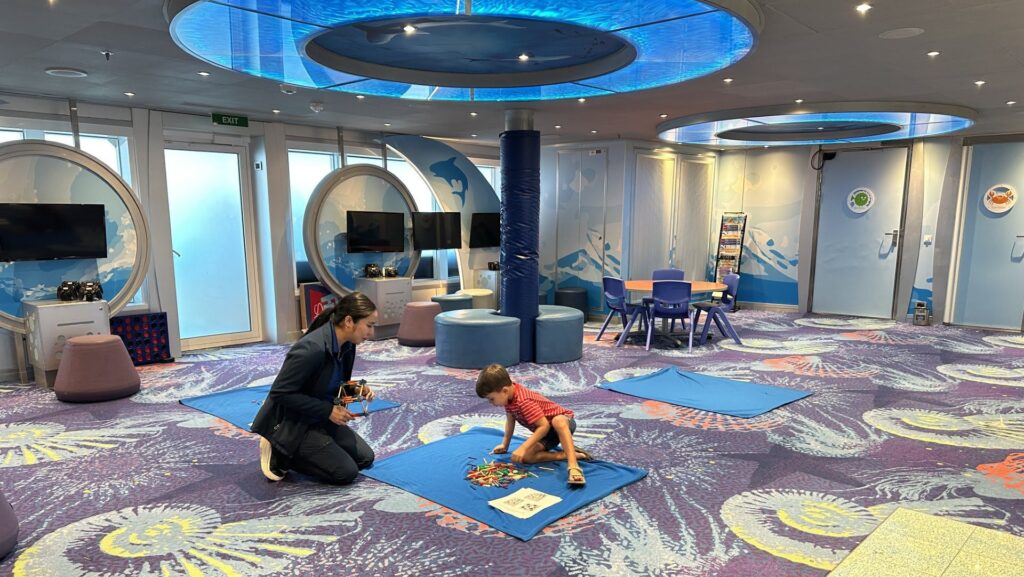
If you plan to use the children’s club and childcare programs, take the time to familiarize yourself with youth space and staff. Most of the lines offer open days of the children’s club on the first day, while others cut family hours so that parents join their children in activities. During our carnival cruise, I found that family activities were an excellent way for me and my son to get involved in space and get to know the camp leaders at a more personal level. (They also generally have a low attendance.) After a few sessions, my son was delighted to try the club by himself. You can also ask the staff when the club tends to be quieter during the day and ask for a phone in advance.
8. Examine the daily agenda and bridge plans to sail in trigger environments.
Cruise vessels are excited with live music, bridge festivals and other festivities throughout the day. The simple fact of passing through these noisy and overstimulant environments can be painful for your autistic child. Check the daily agenda of your ship and revise the bridge plans in advance, so that you know to avoid the main swimming pool from 1 to 2 p.m., or the atrium at 4 p.m., for example. The other possible triggers include Sailaway, when the ships ring their horns as they move away from the port, as well as the buffet during peak meals and the casino.
9. Avoid catering hours and request special seats arrangements.
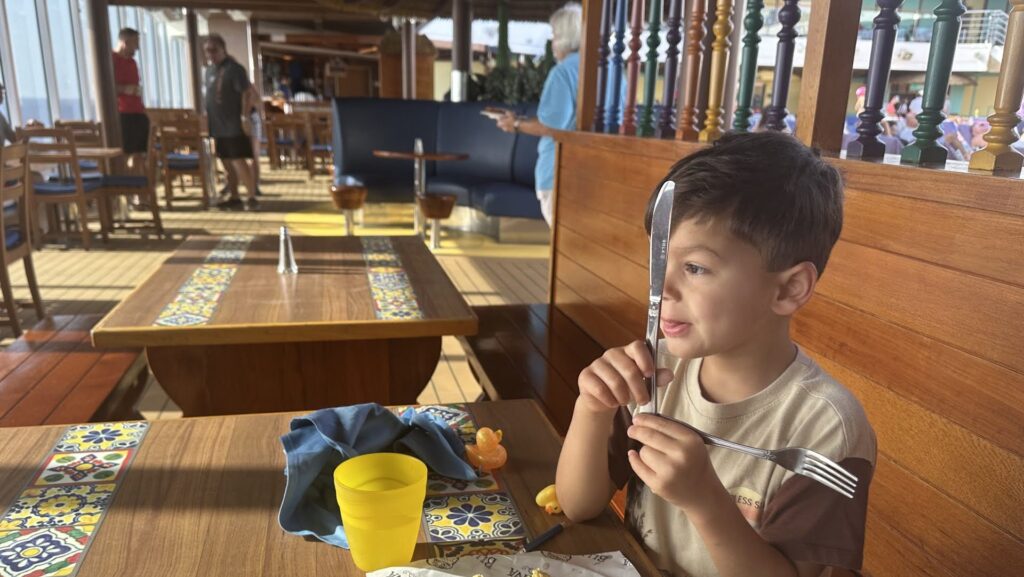
Do not choose a catering time, where you could be seated at a table with foreigners. Although some cruisers like the social aspect, it is not the most flexible option of cruises for autistic children. Go with the option that allows you to dinner according to your own schedule and plan to request special seats agreements. This may include sitting at a corner table or against a window, where you can have a little more space and intimacy, and can easily slip in an emergency. If the carnival on a cruise, look for lower keys like Blueiguana Cantina for breakfast or a specialized restaurant for lunch.
10. Keep a flexible schedule and follow your child’s example.
Rather than keeping an open schedule when you travel with my son, I find that the building in a structure – as long as the plans are flexible – it develops and everyone has fun. Many autistic children depend on routines and a feeling of predictability. Plan activities in which you can easily rotate or take breaks if necessary, and be strategic on factoring in time of stopping. This will allow you to more easily follow your child’s example and kiss changes in plans.
More Familyvacationist:
Traveling
Game Center
Game News
Review Film
Berita Terkini
Berita Terkini
Berita Terkini
review anime
Gaming Center

Related Posts
Argentina Menghadapi Proses Disiplin FIFA Atas Dugaan Pelanggaran Piala Dunia – complex.com
Apakah Messi bermain hari ini? Apa yang perlu diketahui tentang MLS All-Star Game 2026 – Yahoo Sports