What will the South West’s new seating policy mean for families?
When it comes to Southwest Airlines, my family is divided: My kids and I love the thrill of the airline’s famous open-seat model (and the fact that Southwest’s family boarding time between Groups A and B ensures that families with children six and under can sit together), while my husband has long hated the unpredictability of not having a seat until you park in one.
BENEFITS FOR CHILDREN: The best US airlines for families
Southwest’s announcement that it would end its open-seat policy is sure to shake things up for the airline’s large and loyal fan base, and perhaps win it a few new converts (including my husband ?To be determined) along the way. But what does this change mean for families?
What are the changes?
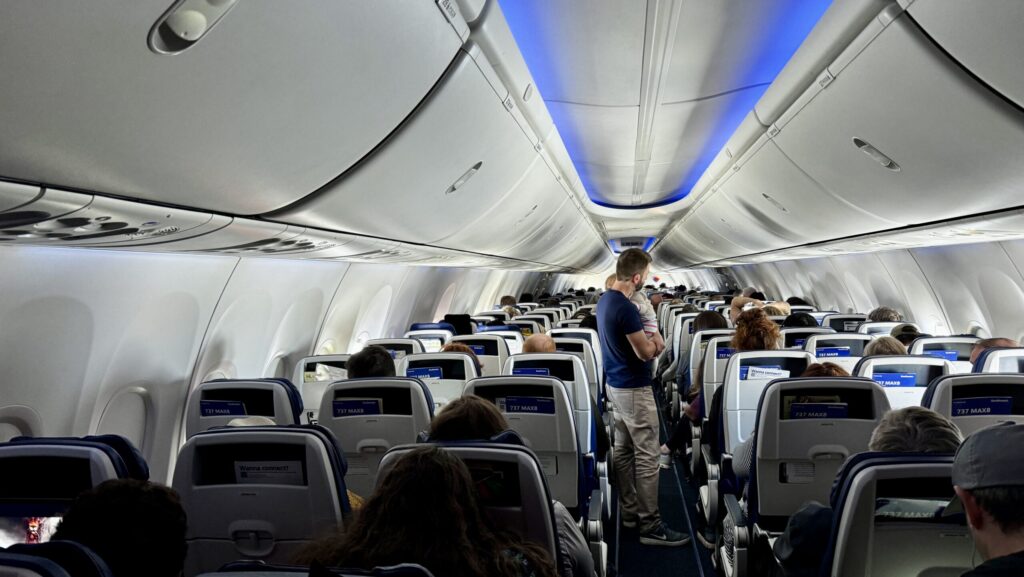
Southwest announced two major changes to its seating policy: assigned seats and premium seats with more legroom (and I’m guessing that’s early boarding, too). According to Southwest, the airline is opting for assigned seats due to popular demand, saying 80% of current customers and 86% of “prospective customers” prefer an assigned seat.
A big concern for the airline and its customers is whether seat assignments will slow down the boarding process. Southwest says it has “conducted robust operational testing” with a mix of live testing and 8 million simulation-based boarding exercises, and is confident. this change “will not compromise the operational efficiency of the airline”.
How will changes to Southwest’s seating pattern affect families?
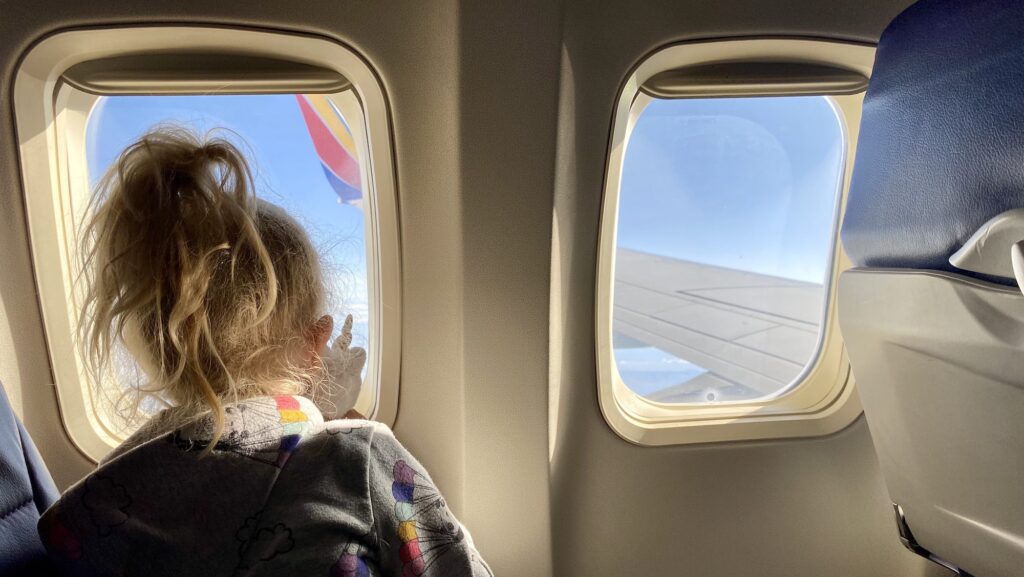
Southwest has not announced (and likely won’t until September at the earliest) how these policies will apply to families, so I’m going to make some guesses based on the airline’s current policies and my experiences as a family traveler in both southwest. and airlines with more traditional boarding structures.
FUTURE INSPIRATION: 50 Family Vacation Ideas for the Best Trip Ever
Since Southwest has a history of doing right by families and its free baggage allowance (please don’t change that!), generally reasonable fares, and friendly service attract family travelers, I I’m going to go ahead and assume that the airline will continue in the general spirit of family-friendly policies.
Currently, families with children two and under receive priority boarding (more time to buckle their car seats and get everyone settled), and families with children six and under can board between groups A and B (or, if everyone has an A boarding pass). , with group A). Families with older children (ages seven to 13) can ask for help finding seats so that at least one adult (hilariously, airlines consider children 14 and older) can sit. sit next to a child.
In my book, the gold standard for good family behavior is Alaska Airlines, which has a family seating policy that ensures children under 13 can sit next to an adult on the same reservation, no additional cost. Southwest could implement a similar policy for its standard seats. In my opinion, allowing adults to reserve seats next to their children should be the industry standard, as it benefits both families and poor people who find themselves seated next to a four year old without a caregiver nearby.
Potentially, Southwest’s move to assigned seating could even benefit families, since boarding a plane in a group and not knowing for sure you’ll be able to find seats together adds stress to an already stressful part of traveling in family.
More from FamilyVacationist:

Related Posts
Argentina Menghadapi Proses Disiplin FIFA Atas Dugaan Pelanggaran Piala Dunia – complex.com
Apakah Messi bermain hari ini? Apa yang perlu diketahui tentang MLS All-Star Game 2026 – Yahoo Sports