What Americans can learn from the French on vacation
This article was originally published on Interesting Stranger Substack, written by our own Christine Sarkis. Stop by to read and subscribe!
I don’t know how to say this in a way that isn’t creepy, but I’ve observed French people on vacation. Since my job is to think and write about travel, I’m curious about how and why different cultures vacation. And as a fan of the French all-inclusive resort brand Club Med, I’ve had good opportunities to study how the French vacation differently than Americans.
Every good student of travel needs a teacher, so on a recent trip to Club Med Punta Cana, I decided to find one. I briefly thought about approaching the people lounging by the pool but it’s weird. So I called on Uriel Tremblay. He had all the qualifications I was looking for: he’s French, so he would understand how French culture shapes vacations. He now lives in Canada, so he thinks we are North Americans. And he works at Club Med, so he’s a vacation expert.
At the end of my trip, which I may have mentally renamed French Vacationing 101, I realized that by toning down a few aspects of my fairly typically American vacation style, I could – and I hesitate to say do better because THE WHOLE POINT is to not strive for better – just enjoy it more.
Here are the elements of French vacation style that I will try on my next trip.
Moderate indulgence and pleasure without excess
Pleasure without excess involves slowing down and savoring, which sounds like a really good idea but doesn’t necessarily come naturally to many Americans (me) who have a bigger, better, more bent in most areas. “In French holiday culture, indulgence is not a question of abundance, it is a question of quality,” said Tremblay. As I said this, I thought about FOMO, the fear of missing out, which drives people (me) to have vacation days full of things, to want to do everything, feel everything and see everything for… for what, I’m not sure.
Once I started looking for signs of this non-excessive French indulgence, I saw it everywhere. In the size of restaurant desserts, just right to be delicious. About how people sipped rather than drank cocktails and stopped ordering before things got complicated. Even looking at how people shopped, choosing a special item rather than shopping.
This idea is not at all foreign. We already have the saying “quality not quantity” to sum it all up. But applying the idea to vacations seems like a minor revelation. It’s not about fitting every experience, flavor, and minute into a vacation, it’s about choosing wisely and letting those moments truly count.
WHAT IS YOUR STYLE: 9 Best Club Med Resorts for an All-Inclusive Vacation
Once I started living in this idea, I found myself keeping pace with the French people around me, sitting down for long, unhurried meals and slowing down (a definite change from my default competitive speed) to enjoy, say, a scoop of homemade pistachio ice cream or an iced coffee made with Dominican coffee beans.
Do nothing: The art of doing nothing (and not feeling guilty)
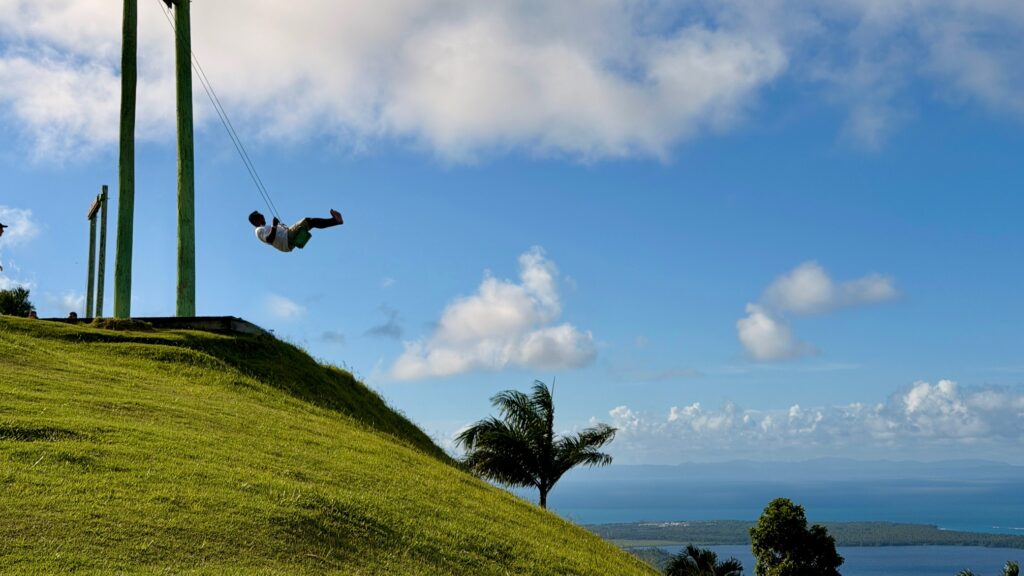
I’ll just admit this: I’m a big traveler and a terrible vacationer. But it wasn’t until Tremblay and I started analyzing the differences between typical French and American vacation styles that I understood why.
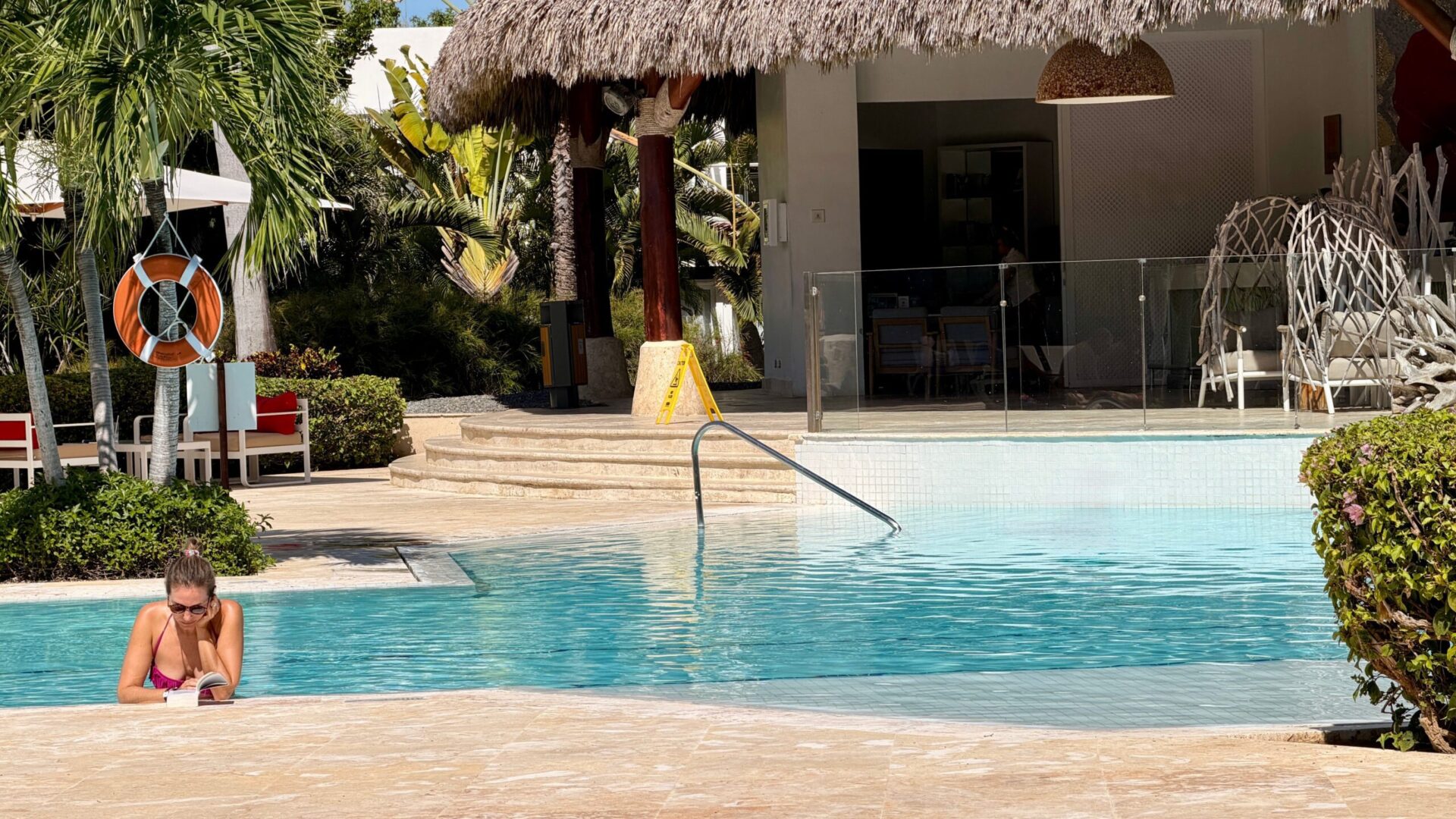
French vacationers know how to enjoy relaxation without guilt. But, says Tremblay, “doing nothing in the French sense of the term does not mean being bored. It means disconnecting from productivity and reconnecting with yourself. » As an American, I’m pretty willing to be productive, even on vacation. If I’m relaxing by the pool, I read, then I swim, then I reapply sunscreen and think about what drink to order, then I order the drink, then I drink the drink and… you get the point.
But as I studied the people around me who were content with single-tasking while lounging by the pool or soaking up the sun with a book and a cold drink for an entire afternoon, I saw JOMO (the joy of missing out) in action. And if it was a vacation expectation to not plan every moment, the only thing you would have to do is exactly what you feel like doing at any given moment. And that, more than anything else, feels like the true spirit of the holidays.
Sleeping well is sacred (and blackout curtains are non-negotiable)
What I have noticed over the years is that in France and everywhere I have been where many French people vacation, the blackout curtains in the rooms are rigorous. I always wondered why this asked Tremblant, who explained that “French vacationers protect sleep in the same way they protect meals. Rest is part of the ritual.” By not needing to wake up with the sun at 6 a.m. to maximize the day, “you can adapt to your own pace, not someone else’s itinerary.”
As I headed to the beach early in the morning to take some sunrise photos, I noticed how few people there were. These were mostly babies or young children accompanied by a parent, suggesting that back in the room another parent might still be sleeping soundly in the darkness of a quiet room. Everyone, it seemed, was on vacation, even in their sleep.
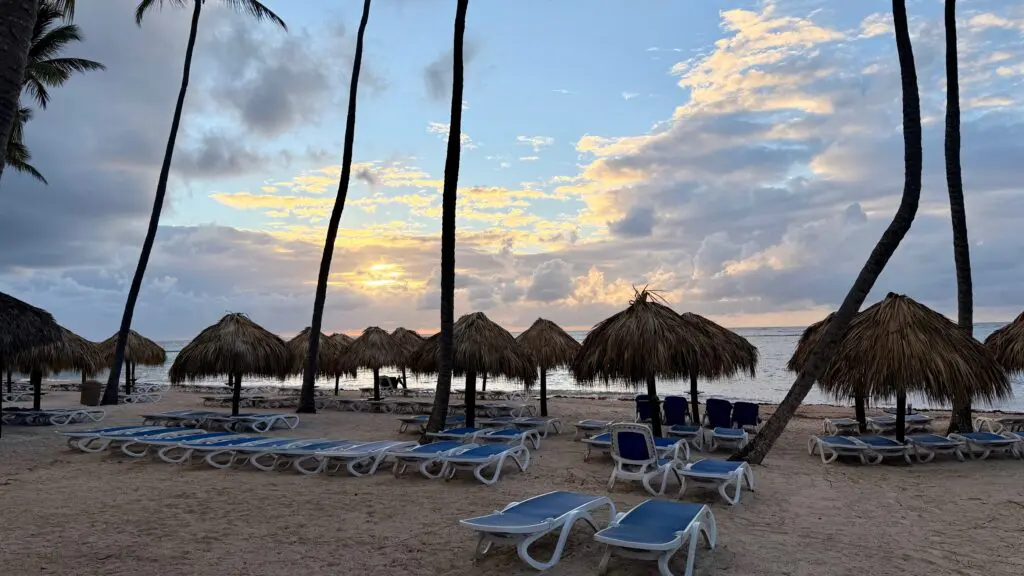
I generally don’t use blackout curtains, in part because they can interfere with adjusting circadian rhythms and eliminating jet lag. But after hearing this explanation, I tried it and noticed that my body craved more sleep on vacation. Without the pressure of the early morning sun, I slept more, woke up more refreshed, and was easily able to stay up later and dance the night away.
Prioritize presence over performance
When Tremblay told me, “Americans often approach vacations with activity checklists,” I actually raised my hand. You should see my checklists and travel itineraries; they are absolutely beautiful. But it is true that they do not lend themselves to relaxation. Tremblay explained that, in the French mentality, “it is not necessary to ‘succeed’ in a great vacation, but it is necessary feel he. The goal is not to do the best, it’s to enjoy what you do.
That’s what I saw when, on my way to my second fitness class of the day, I looked over the pool and saw people napping in cabanas, chatting in the water, and swimming – not doing laps or counting minutes of exercise – just swimming because it felt good on a hot day.
They prioritized presence, not even consciously but as a simple cultural tradition. And while it doesn’t come as naturally to me, the thing about tradition is that you can start them at any time, even if they’re not the ones you grew up with.
Leisure is not selfish, it is cultural
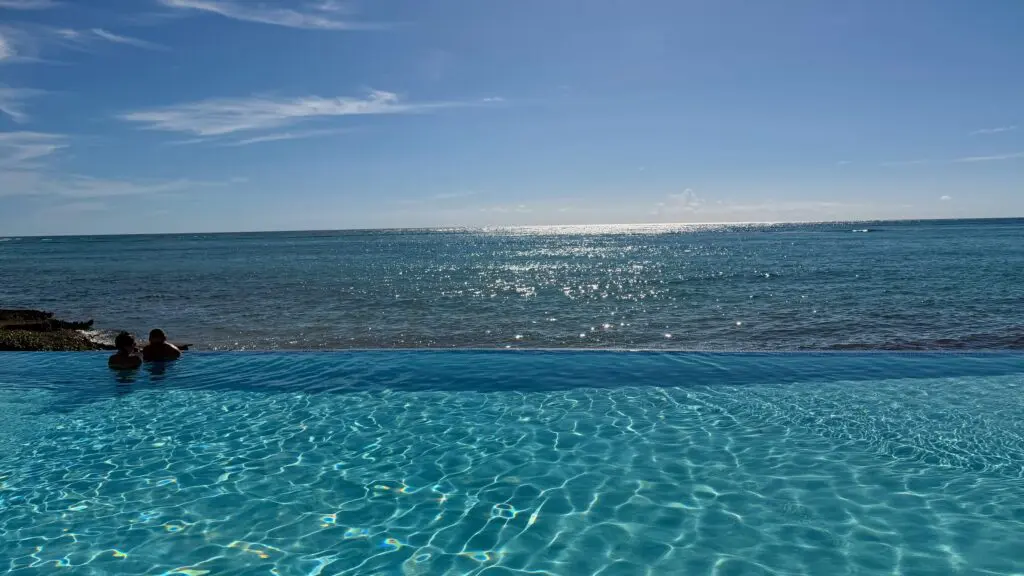
The idea for Rise and Grind didn’t come out of nowhere; As Americans (even those who think the concept of rise and grind is pretty screwed up), we are conditioned to get things done and not stop until those things are done (and then find more things to do!). But, says Tremblant, “the French do not consider rest to be indulgent; they see it as necessary.” The French don’t feel guilty about taking time off like we often do. They are taught from an early age that leisure and pleasure are part of well-being and not the other way around.
For years, I have noticed this both in France and when seeing French people on vacation all over the world. A clear-eyed, unapologetic feeling that, of course, we, as individuals, deserve some guilt-free downtime. When I lived in France, in my twenties, I noticed it in the way parents would take their children to the playground and then, rather than cheering them on from the sidelines, the American way, they would find a bench and read a book. Here on vacation I saw how it was: everyone seemed to know how to relax: how to lounge by the pool, chat over a glass of wine in a restaurant. aperitif time and linger over a multi-course dinner.
Of all these lessons, this is perhaps the hardest for me to understand. I love it in theory, but in practice I don’t have a lifetime of cultural cues that lead me to shamelessly demand time off. But maybe, one vacation at a time, I can move toward a style of vacation that slows down, packs less, and feels more like the kind of downtime I crave in my busiest moments.
I agree that all of this falls into the category of Americans glorifying French culture in a simplistic way. And at the same time, I think observing and learning from the best of a culture is one of the most powerful aspects of travel. Vacations take a lot of time, energy, and money, and drawing inspiration from other cultures in ways that make those experiences deeper, richer, and more special seems to be the best memory we can keep from our travels.
More from FamilyVacationist:
A note about the em dashes in this story: This story was written by me, Christine Sarkis, a human who loved and used em-dash long before AI was even a gleam in Silicon Valley’s eye. And I’m not going to stop using them because the AI uses them too.
Berita Terkini
Berita Terbaru
Daftar Terbaru
News
Berita Terbaru
Flash News
RuangJP
Pemilu
Berita Terkini
Prediksi Bola
Technology
Otomotif
Berita Terbaru
Teknologi
Berita terkini
Berita Pemilu
Berita Teknologi
Hiburan
master Slote
Berita Terkini
Pendidikan
Resep
Jasa Backlink
Togel Deposit Pulsa
Daftar Judi Slot Online Terpercaya
Slot yang lagi gacor

Related Posts
Argentina Menghadapi Proses Disiplin FIFA Atas Dugaan Pelanggaran Piala Dunia – complex.com
Apakah Messi bermain hari ini? Apa yang perlu diketahui tentang MLS All-Star Game 2026 – Yahoo Sports